Confirm the bathroom layout in writing
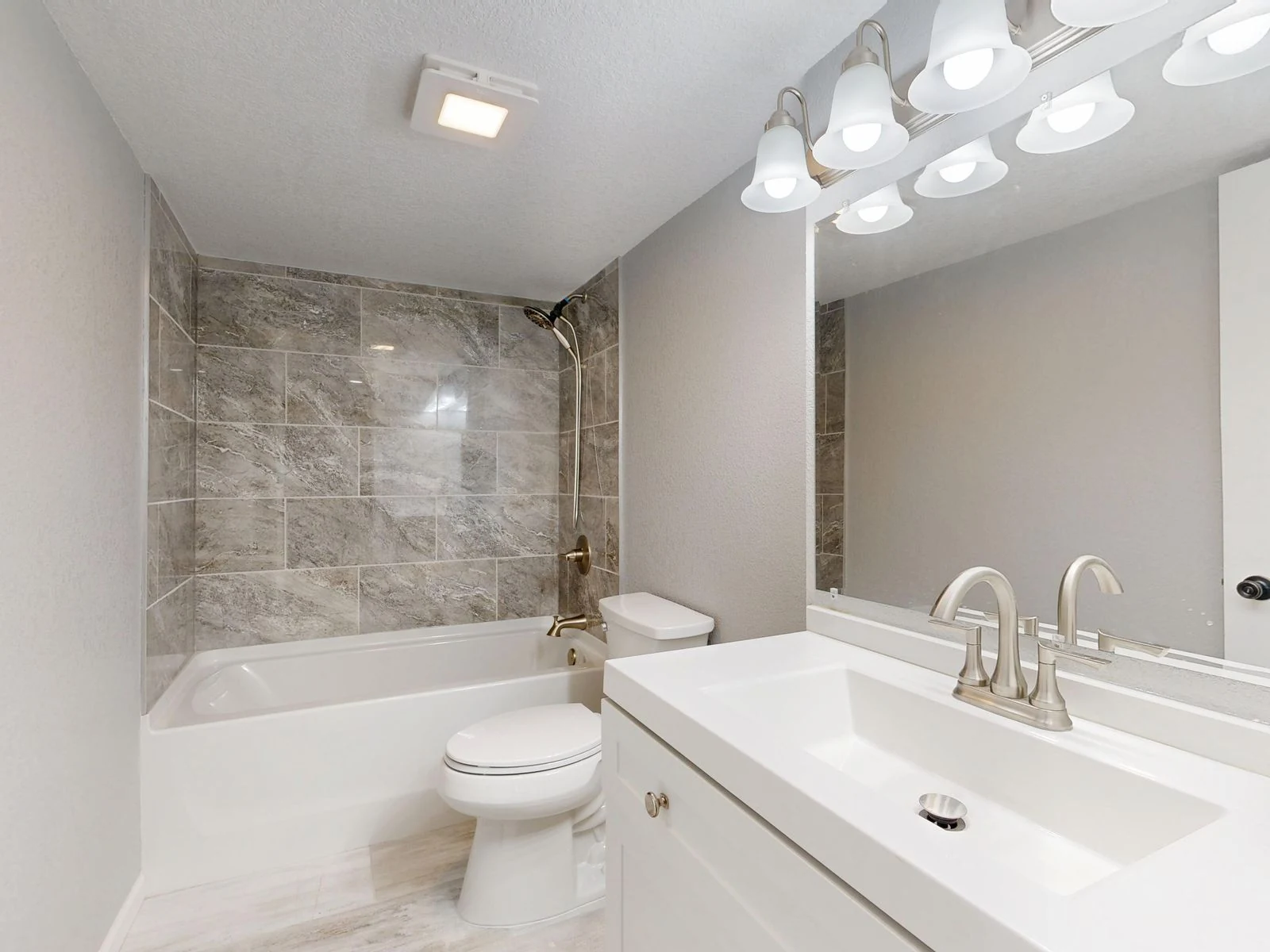
Before installation starts, keep a copy of the measured layout that everyone is working from. It should show the fittings and useful movement space, including opening doors and drawers. Check the basin height, shower entrance and position of controls where relevant. If something in the proposed room is unclear, ask for it to be explained before the plumbing positions are fixed or products are ordered.
Measurements alone do not confirm every hidden condition. The installer may need to assess floors, walls and existing connections, with some details only visible after removal. Ask which points are confirmed and which remain uncertain. This helps distinguish an agreed design from an assumption that may need changing once the old fittings and surfaces are taken out.
Keep the exact product list with the quote
Record the make, model, size and finish of the selected fittings. Include the bath or shower, screen, toilet, basin, furniture, taps and any lighting or powered equipment. Some products need separate drain fittings, support frames, panels or other parts. Ask who is responsible for checking that the complete set has been ordered and is suitable for the planned installation.
Confirm delivery dates and where items will be stored. Check arrangements for damaged or missing parts before the bathroom is removed. A similar-looking substitute may not share the same connections or dimensions. If a product becomes unavailable, have the alternative reviewed and agreed, including any price or schedule change, rather than allowing an unrecorded swap on the fitting day.

Understand the work included in the price
The quote should describe removal, waste handling, preparation, products, fitting and finishing. Check plumbing, electrical work, ventilation and any required protection from water. Ask about details such as the ceiling, skirting, mirror and towel rail. They can affect the finished room even when the main package description focuses on the bath, shower, basin and toilet.
Agree how changes and hidden damage will be handled. The price may not confirm the condition of every covered surface, but the process for explaining extra work can be clear. Ask for findings and costs before additional work proceeds. Keep the agreed payment stages and any product or workmanship terms with the quote so there is a shared record to refer to.
Plan access, deliveries and protection
Explain stairs, narrow entrances, parking restrictions and shared access relevant to the job. These affect bringing products in and taking waste out. Ask where materials and tools will be kept and which route the team will use. Clear those arrangements with anyone else who needs access to the home, without assuming a delivery can be left safely in any available space.
Agree how floors and nearby belongings will be protected during the work. Move personal items from the bathroom before the start date and discuss anything fixed that must stay. Keep children and pets away from work areas and stored materials. If the household has particular access needs or working-hour restrictions, make them part of the plan rather than relying on a conversation on the first morning.
Ask when essential facilities will be unavailable
A refit can affect the toilet, water supply, basin and shower for different periods. Ask about each one. If this is the only bathroom, explain that early and agree workable arrangements. Do not assume the toilet can be reconnected every evening or that another water outlet will always remain available without the installer confirming the actual sequence.
Separate installation time from product lead times and drying requirements. Ask when the room is expected to return to normal use and what could change that date. A useful schedule explains the stages and the way updates will be provided. It should leave room for the chosen materials to become ready for use, rather than treating the last visible fitting as the entire completion process.
Agree communication and the final checks
Know who to contact during the job and who approves a change to the design or price. Keep important decisions in writing so the installer and household have the same information. Ask how progress will be explained if a delivery is delayed or a hidden issue changes the next stage. Clear communication is particularly useful when different trades visit on different days.
Before work starts, also ask what happens at handover. The completed bathroom needs operation checks, care instructions and an explanation of maintenance access. Agree how remaining items will be listed and resolved. Keep any dates for those items with the handover record, and confirm who will arrange the return visit if a missing part needs fitting later. Preparing those arrangements does not remove every possible surprise, but it gives the refit a clear starting point and makes later questions easier to answer from the agreed work.
To see the work this involves, read about our bathroom installation in hamilton. You can also read questions to ask a bathroom fitter and bathroom renovation stages.